The pitch is always seductive. A Telegram or Discord group, a monthly or lifetime fee, and a stream of “calls” from people who supposedly know where the market is going next. Screenshots of huge wins scroll past. A countdown timer warns that spots are limited. For a beginner staring at a confusing chart, paying someone to just tell you what to buy feels like the obvious shortcut.
Before you tap subscribe, it is worth understanding what you are actually buying when you join a paid crypto signal group. Not the fantasy version. The real one. Because the gap between the two is where a lot of money quietly disappears.
⚡ Key Takeaways
- Paid crypto signal groups sell three things — trade calls, community access, and expertise — but the expertise is the one thing you cannot independently verify, because groups control which results you see.
- Without a complete, time-stamped, audited log of every call (wins and losses), you cannot compute the real win rate — screenshots of selected winners are not a track record.
- Key red flags: guaranteed returns, countdown timers and pressure tactics, screenshot-only performance proof, calls with no stop-loss or position sizing guidance, and groups that delete bad calls during drawdowns.
- The alternative is a transparent, rules-based signal system with visible non-repainting logic — one where you can verify how every signal fires, keep the final decision in your own hands, and build actual trading skill.
- Quantzee's AI indicator suite uses verifiable, non-repainting logic on TradingView — all 12 indicators cost $9.99/month with a 14-day money-back guarantee, less than a single month's typical signal group subscription.
What the fee actually buys
Strip away the marketing and a typical paid signal group sells you three things:
- Trade calls. Entry, target, and sometimes a stop, posted into a chat.
- Access to a community. A room of other subscribers, occasional Q&A, and a feeling of being on the inside.
- The promise of expertise. The implicit claim that whoever runs the group knows more than you do.
The first two are concrete. The third is the one to scrutinise, because it is the entire basis of the price and the hardest thing to verify. You are paying for someone’s judgement, and judgement is exactly what these groups make almost impossible to check.
The track record problem
Here is the uncomfortable core of it. A signal group can post ten calls, screenshot the three that worked, and bury the seven that did not. With no audited, time-stamped record of every call, you have no way to compute the real win rate. The wins are loud and shareable. The losses go quiet.
Even honest groups run into this. Posting an entry into a chat is not the same as a verifiable, executed trade with slippage and timing baked in. You see “long here, target +40%” but not whether members actually got that fill, or what happened when the call went the other way. Invezz and other outlets that have surveyed the crypto signals space repeatedly land on the same caution: transparency and a checkable record matter more than the size of any individual win.
If you cannot audit the calls, you are not buying a track record. You are buying a story.
The red flags worth naming
Some patterns reliably separate the dubious groups from the defensible ones:
- Guaranteed returns. No one can guarantee profit in crypto. The phrase itself is the warning.
- Pressure tactics. Countdown timers, “last few spots,” lifetime deals expiring tonight. Urgency is a sales tool, not a sign of value.
- Screenshot-only proof. If the only evidence is cropped images of wins, assume the full record looks different.
- No risk guidance. A call with no stop and no position-sizing advice is not trading help; it is a coin flip with extra steps.
- Vanishing accountability. Groups that delete bad calls or go quiet during drawdowns are telling you everything.
Spotting these is exactly why traders start looking for an alternative once the novelty of the chatroom wears off.
What good actually looks like
The opposite of a sketchy signal group is not “no signals.” It is signals you can verify and reason about. The healthier model has three features the chatroom usually lacks.
First, the logic is visible. Instead of “trust me, buy here,” you understand why a signal fired, so you can judge whether it fits the current market. Second, the signals come from a transparent, rules-based system rather than one person’s mood, which removes the cherry-picking problem at the source. Third, the final decision and the risk stay with you, so you are learning to trade rather than outsourcing your account to a stranger.
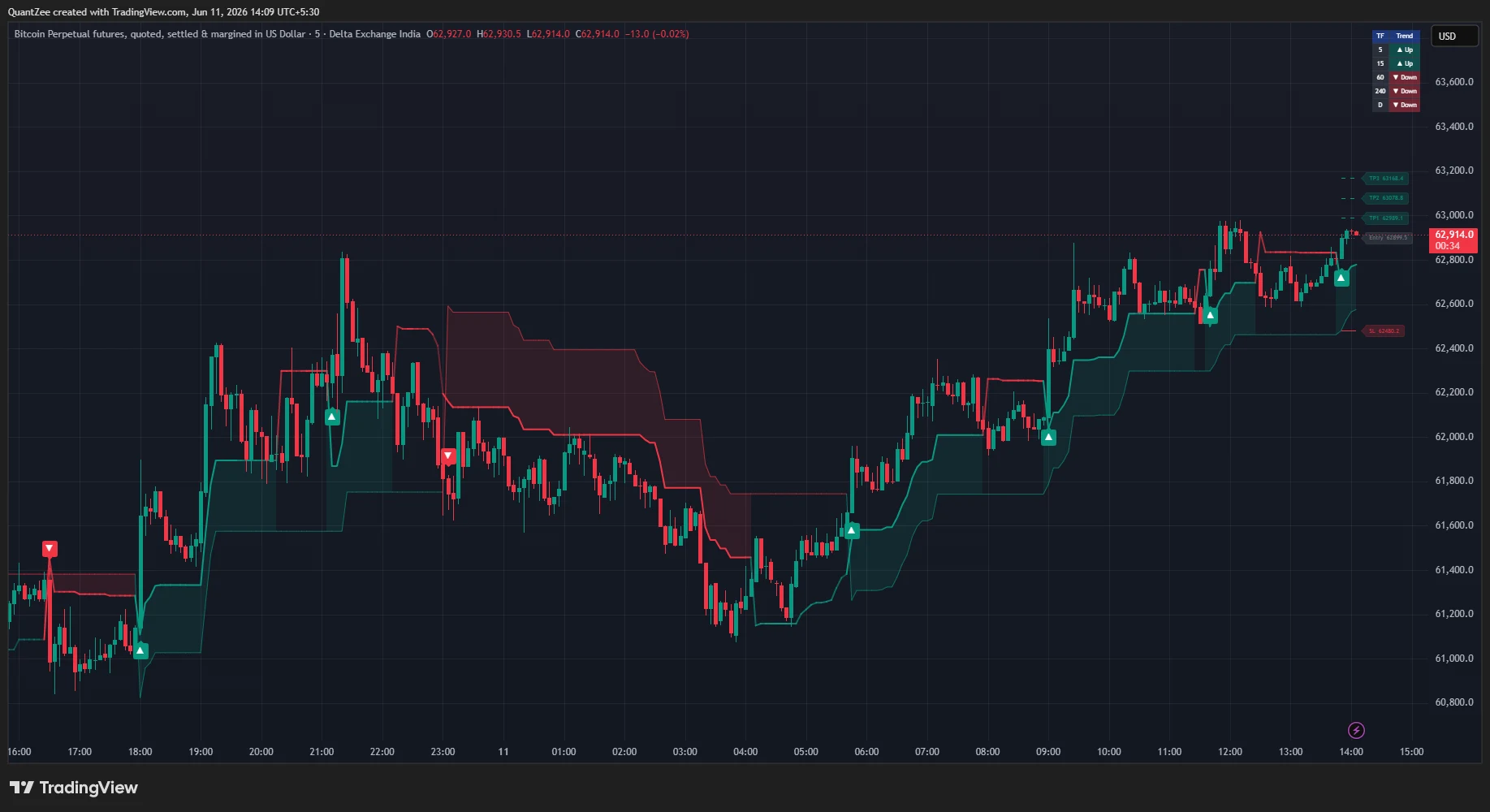
That is the foundation behind a modern AI signals alternative: non-repainting, rules-based signals you can see and check, delivered across markets, with the judgement left in your hands. Our full AI indicator suite is built on that principle precisely because it solves the trust gap that chat-based groups never can.
The smarter way to spend the money
If your goal is to stop guessing and start trading with structure, a paid signal group is one of the least transparent ways to get there. You are paying for someone else’s unverifiable judgement and hoping the quiet losses stay smaller than the loud wins.
A tool with visible, non-repainting logic that you control puts the same money toward something you can audit, learn from, and keep using after the hype fades. For traders comparing the two paths, our Fat Pig Signals alternative breakdown lays out the difference between buying calls and owning a system.
The bottom line
Paid crypto signal groups sell calls, community, and the promise of expertise, but the expertise is the part you cannot verify, and that is the part you are paying for. Watch for guaranteed returns, pressure tactics, and screenshot-only proof. If you want real edge, put your money toward transparent, rules-based signals you can check yourself, not a chatroom that controls which results you get to see.